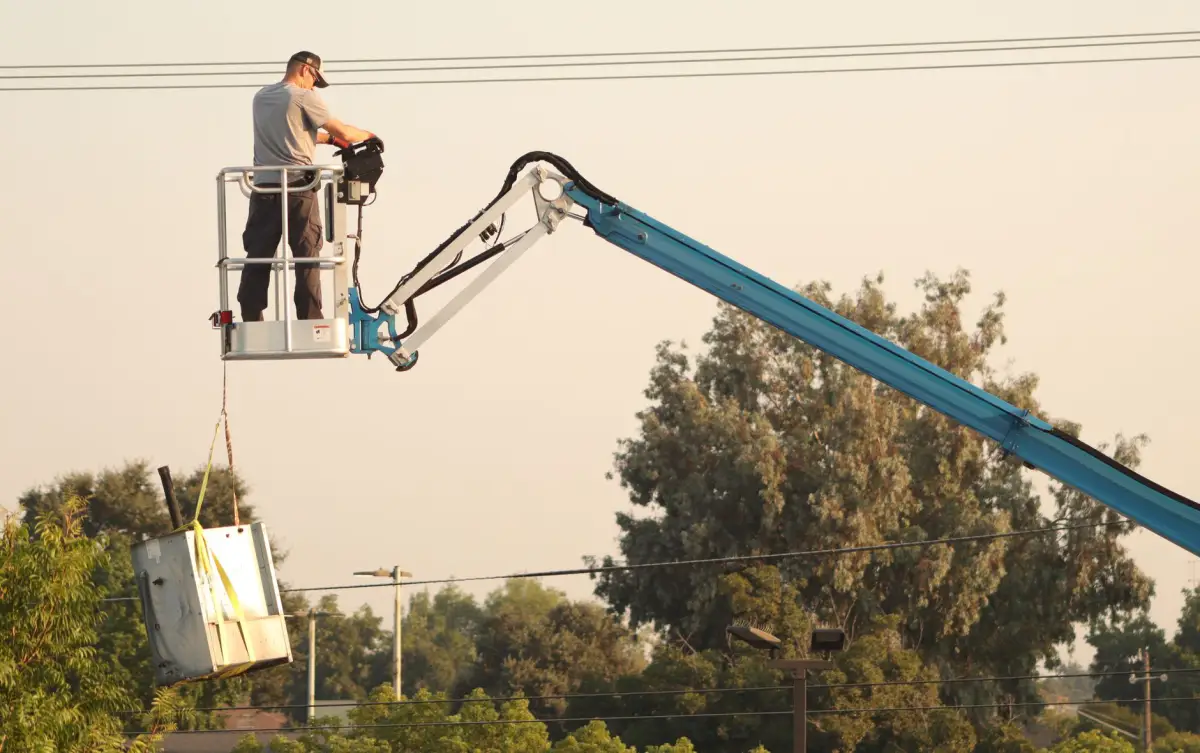
Crane-Assisted Tree Removal in Kenosha, WI — Residential & Commercial Large Tree Removal
Some trees can't come down with roped, sectional cutting alone — too tall, too close to a structure, or too compromised to climb. A crane lifts each section and sets it down in a controlled spot instead.
Kenosha Premier Tree Services is the local resource for crane-assisted tree removal in Kenosha, connecting residential and commercial properties with trusted tree care professionals. Most trees come down with roped, sectional cutting — a climber works the canopy down piece by piece, each section lowered by hand. A crane changes that equation for trees that are too tall, too close to a structure, or too compromised to safely climb: instead of being cut and lowered, each section is rigged, cut, and lifted clear in one controlled motion.
The trees that call for a crane usually share one of a few traits — a trunk too large or unstable to climb safely, a canopy that overhangs a house, garage, or pool with no room for a controlled drop, or a location tight enough that there's nowhere to lower a section by rope without hitting something. The crane doesn't replace the climbing crew; it works alongside them, lifting what can't come down any other way.
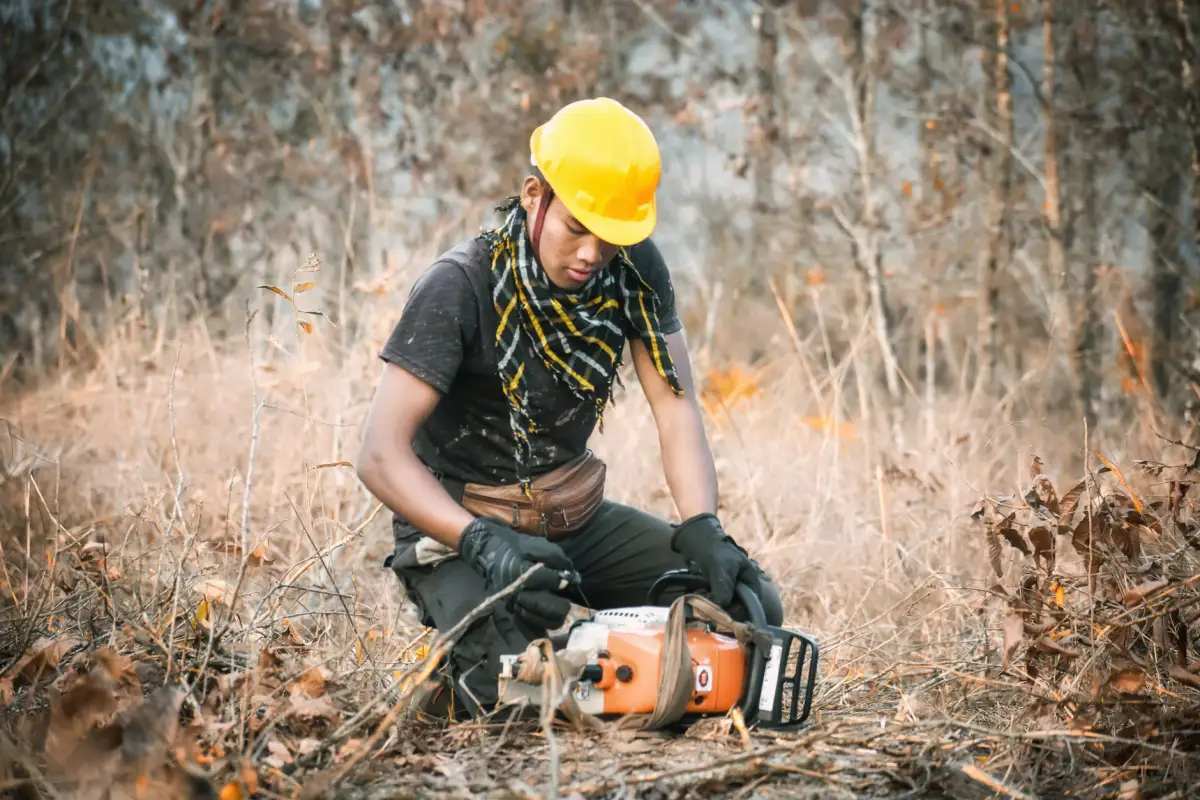
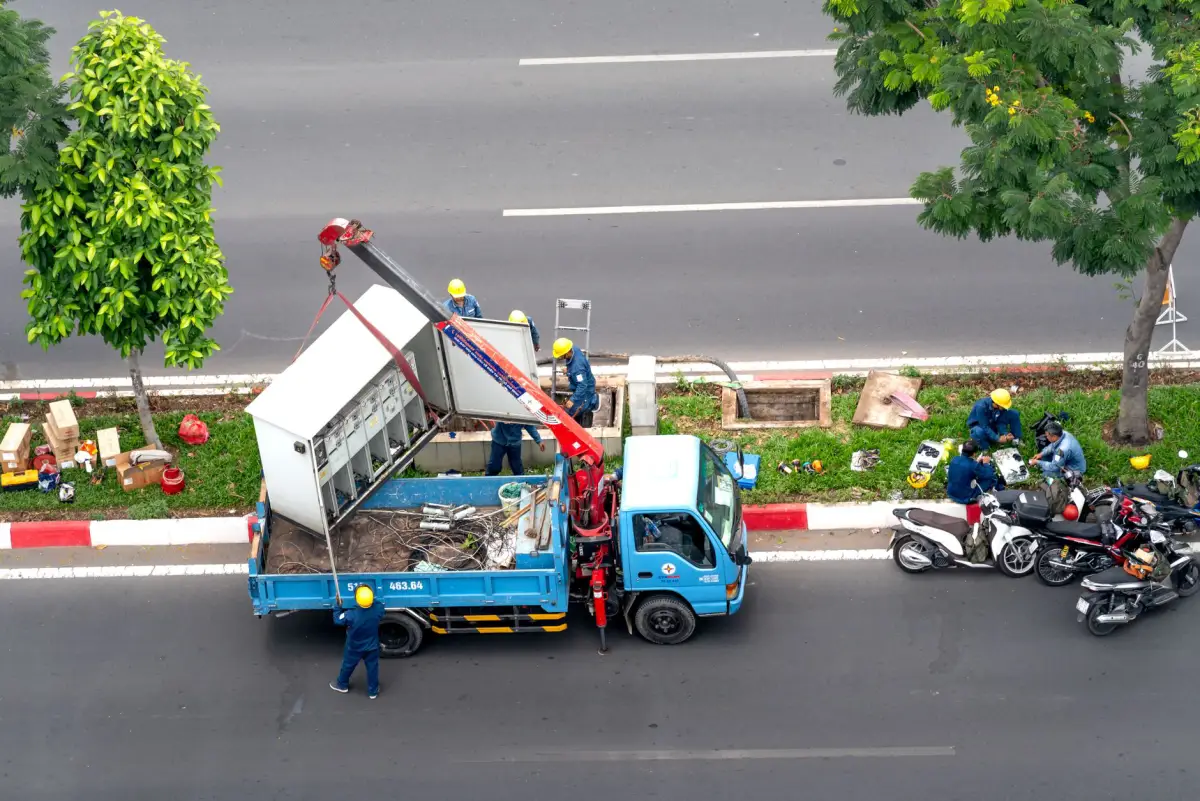
Every Lift Is Rigged Before It’s Cut
Here’s what’s in the quote every time a crane comes on-site.
- On-site assessment of whether the tree actually needs crane assistance versus standard roped removal
- Crane and rigging crew coordinated with the ground crew for the full removal
- Each section cut, rigged, and lifted clear of the structure or space it's near
- Full cleanup and haul-away included in the quote
- Stump left flush-cut unless grinding is added to the job
When a Crane Is Actually Necessary
Most trees don’t need one — these are the trees that do.
Structure Too Close
A canopy overhangs a house, garage, or pool with no safe spot to lower a section by rope.
Trunk Too Unstable to Climb
Root rot, a split trunk, or storm damage makes climbing itself the bigger risk — the crane removes the need to put weight on a compromised tree.
Size Beyond Standard Reach
A trunk or canopy large enough that roped sectional removal would take significantly longer and involve more risk than lifting it clear.
Signs a Tree Needs Crane Assistance
The on-site assessment is what actually decides it, but these are the usual tells.
How a Crane-Assisted Removal Actually Goes
- 1
On-site assessment
A crew lead evaluates the tree, the structure it's near, and whether a crane is actually necessary or a standard roped removal will do — cranes cost more to bring on-site, so the call gets made honestly rather than defaulted to for every large tree. A crane usually becomes the right call when a tree is too tall or too unstable for roped sectional cutting alone, or when it's positioned close enough to a structure, fence, or another tree that there's no safe spot to lower sections by rope. Access for the crane itself gets checked too — how close a rig can actually get to the tree, and whether overhead lines or other obstacles limit its reach.
- 2
One price, up front
The quote includes the crane, rigging crew, and ground crew as one number, priced before the job is scheduled — crane work costs more than a standard removal, largely due to the equipment and the additional rigging crew required, and that's reflected honestly in the number rather than presented as a standard removal price with a crane fee added later. Scheduling a crane also means coordinating a specific day, since the equipment gets reserved and delivered for that job rather than pulled from a standing truck the way roped removal equipment is. Utility companies get notified in advance if the lift path comes anywhere near overhead lines.
- 3
Removal day
Each section is cut, rigged, and lifted clear by the crane, coordinated with the ground crew the whole time — the climber or a bucket operator makes the cut while the crane holds the section's weight, so nothing drops or swings uncontrolled even after it's fully severed from the tree. Sections get set down in a pre-planned spot clear of the structure, then processed by the ground crew while the crane moves to the next cut. This sequencing is what makes crane removal possible in tight spots roped cutting can't safely handle — the crane is doing the controlled lowering that ropes and gravity would otherwise have to do.
- 4
Cleanup
Sections processed on the ground, debris hauled, and the site cleared before the crew leaves, same as any removal — but the crane and rigging equipment also gets a final safety check before it's broken down and moved off-site. Given the tighter margins crane jobs usually involve — a tree close enough to a structure to need a crane in the first place — the crew lead does a close final walk checking the structure, roofline, and any nearby landscaping for anything that shifted or got marked during the lift, not just the ground where debris fell. The crane's outrigger pads get checked too, since they can leave depressions in soft lawn that are worth pointing out before the crew drives off.
What Does Crane-Assisted Tree Removal Cost in Kenosha, WI?
- Whether the tree genuinely requires crane assistance versus standard roped removal
- Crane size and setup — how much room there is to position it on the property
- Trunk diameter and total number of sections that need to be lifted
- Proximity to structures, fences, or power lines that limit the lift path
A crane costs more to bring on-site than a standard crew, which is why the assessment comes first — not every large tree needs one, and a crane doesn't get quoted for a tree that a roped removal can handle safely.
A Crane Doesn’t Replace Good Rigging, It Extends It
The equipment changes; the standard of work doesn’t.
Crane Assessed, Not Assumed
A crew lead evaluates whether a crane is actually necessary before it's added to the quote — not a default upsell for anything over a certain size.
Rigging Coordinated With the Ground Crew
The crane operator and climbing crew work as one team, not two separate jobs happening near each other.
Full Site Protection
Lift paths are planned around structures, fences, and landscaping before the first section comes down.
Told Plainly When a Crane Won't Fit
If there's no room for a crane to set up safely, that gets said during the assessment instead of forcing equipment onto a site that can't support it.
Homes, Businesses, and Everything In Between
Residential
A large tree overhanging a house or pool is exactly the kind of job a crane is built for — sections lifted clear of the roof or the water instead of dropped or lowered by hand next to it. The lift path gets planned around the property before the first cut.
Commercial
Commercial properties sometimes have large trees in tight spaces — between buildings, over a parking structure, near equipment that can't be moved. Crane scheduling gets coordinated around business hours and site access so the removal doesn't become a bigger disruption than the tree was.
When a Crane Isn’t the Right Call
Jobs that aren’t a fit get turned down instead of quoted anyway.
- A standard residential tree with room to rope and lower sections safely — that's a normal removal, and a crane would just add cost for no reason.
- Properties outside Kenosha County & Southeastern Wisconsin — crane logistics don't travel well beyond the standard service area.
- Properties without room for a crane to set up safely — that gets said during the assessment rather than forcing equipment onto a site that can't support it.
Tree just needs a standard removal? See tree removal or browse the full service list.
Frequently Asked Questions
- How do I know if my tree needs a crane?
- A crew lead assesses the tree's size, condition, and how close it is to a structure with no room to lower sections by rope. Not every large tree needs one — the assessment is what decides it, not the tree's height alone.
- Is crane-assisted removal more expensive than standard removal?
- Yes, generally — bringing a crane on-site costs more than a standard roped crew. It's quoted that way specifically because it's only used when it's actually necessary, not as a default option.
- Does the crane damage the lawn or driveway?
- Setup requires stable, level ground for the crane, and that gets planned for during the assessment. Plywood or mats go down under outriggers on soft ground when needed.
- How long does a crane-assisted removal take?
- Usually a single day for a residential tree, including crane setup, the removal itself, and initial cleanup. Larger commercial jobs can take longer depending on access and site restrictions.
- Can a crane remove a tree near power lines?
- It depends on the specific line and clearance. Coordination happens with the utility company first for anything where the lift path is close to a line.
Learn More
- Trees Are Good (ISA) — how certified arborists assess large or complex removals.
- OSHA — crane and rigging safety standards.
- We Energies — coordination for lifts near power lines.
Have a Tree Too Big to Rope Down?
Tell us what’s going on and get an immediate on-site assessment — no charge for the estimate, and no obligation to book it.
Get My Free Estimate