Hazardous Tree Removal in Kenosha, WI — Residential & Commercial Risk Assessment & Removal
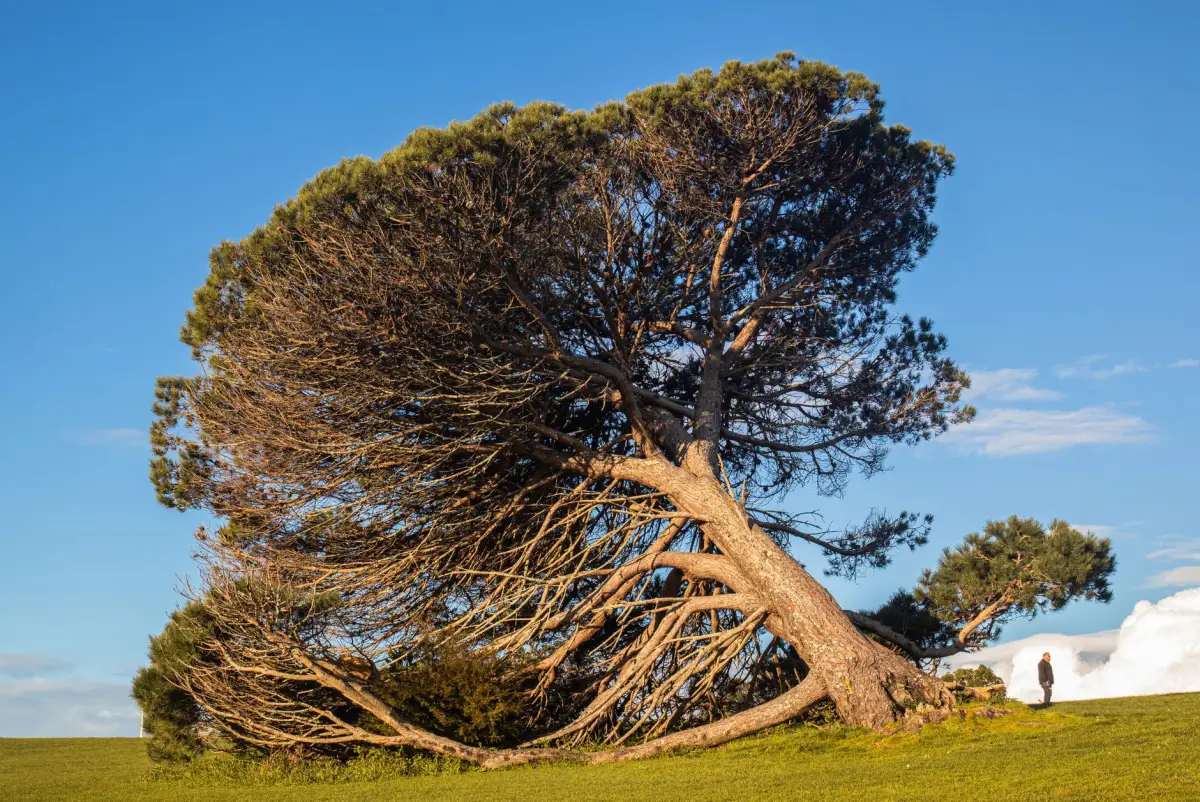
A tree doesn't have to be dead to be dangerous. Leaning, diseased, and structurally compromised trees get assessed on-site, and the ones that are an actual risk come down — with the rigging a hazardous tree actually needs.
Kenosha Premier Tree Services is the local resource for hazardous tree removal in Kenosha, connecting residential and commercial properties with qualified local tree specialists. A hazardous tree isn't always the obviously dead one — it's just as often a tree that looks fine from the yard but has a split trunk, a compromised root system, or a lean that's gotten worse since last season. The actual risk gets assessed before removal is recommended, because not every tree that looks concerning needs to come down.
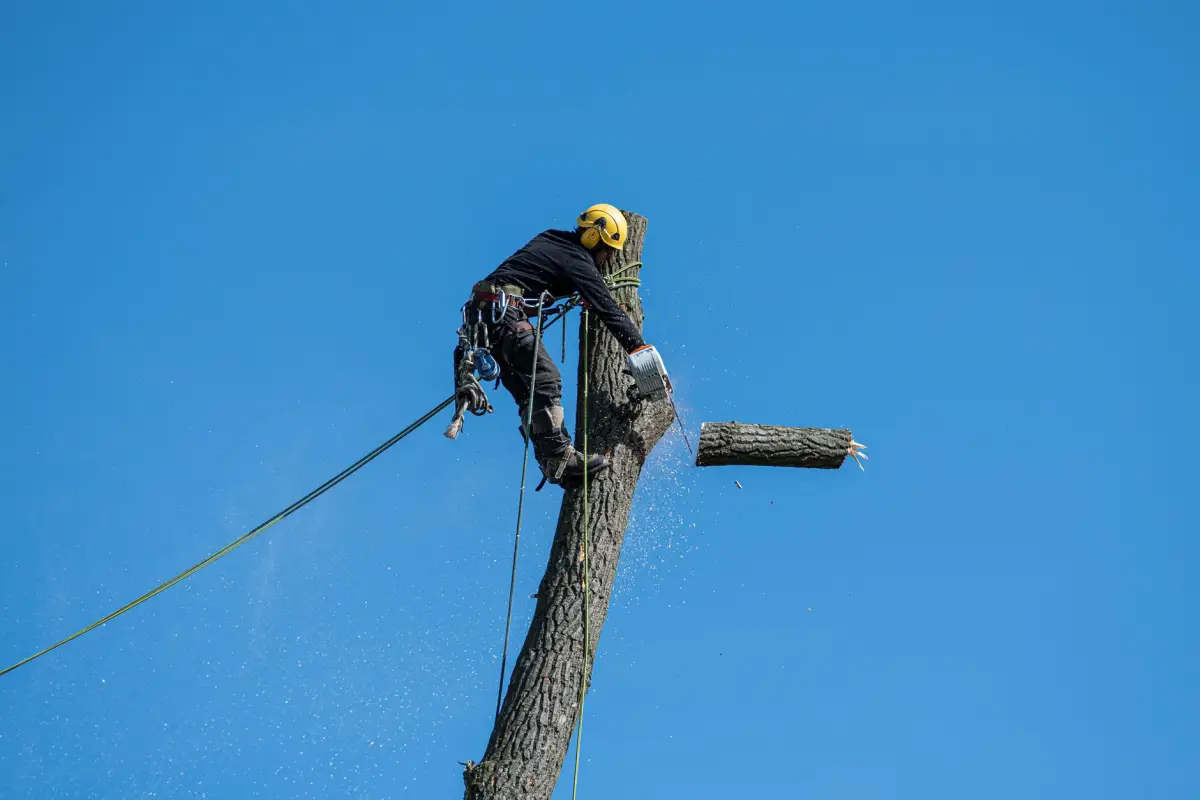
When a tree is a confirmed hazard, the removal itself usually takes more than a standard cut-and-drop — a heavy lean toward a structure, branches tangled near a power line, or a trunk too compromised to climb safely all change how the tree has to come down. That's roped, sectional removal at minimum, and sometimes crane assistance for anything too unstable or too close to a structure to rig by hand.
Every Assessment Comes Before the Cut
Here’s what’s in the quote every time a hazardous tree comes down.
- On-site risk assessment before any cutting is recommended — lean, root condition, trunk integrity, and what's in the fall zone
- Roped, sectional removal for anything too close to a structure, fence, or line to drop whole
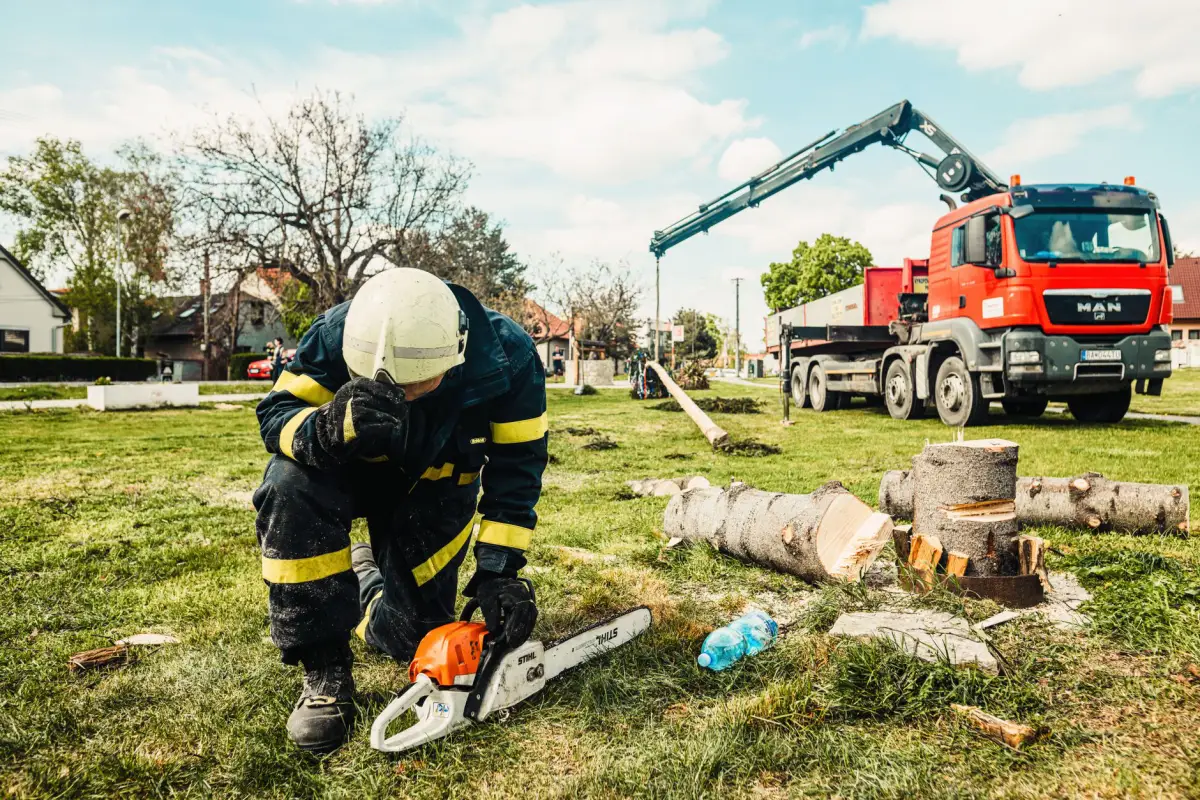
- Crane assistance called in for trees too unstable or too close to a structure to rig by hand
- Coordination with the utility company first for anything near a power line
- Full cleanup and haul-away included in the quote
What Actually Makes a Tree Hazardous
Three things get checked on every assessment, in this order.
Structural Defects
Cracks, cavities, or included bark where two trunks meet — weak points that aren't visible from the ground until you know what to look for.
Root & Soil Issues
Root rot, girdling roots, or soil heaving near the base — often the first sign a tree's foundation is failing before the canopy shows it.
Lean & Location
A lean by itself isn't automatically dangerous — a lean toward a house, driveway, or play area is what changes the risk level.
Signs a Tree Needs a Closer Look
A tree doesn’t have to be fully dead to be a risk. These are the signs a crew lead looks for on-site.
How a Hazardous Removal Actually Goes
- 1
Request an assessment
A crew lead evaluates the lean, trunk, roots, and what's in the fall zone before recommending removal — a hazardous tree isn't always the obviously dead one. The lean gets checked for direction and whether it's worsened recently (a sudden new lean after a storm is a different risk profile than a slow lean that's been stable for years), the trunk gets checked for cracks, cavities, or a hollow sound that signals internal decay, and the base gets checked for heaving soil, exposed roots, or fungus growth that points to root failure. What's actually in the fall zone — a house, a garage, a fence, power lines, a neighbor's property — factors directly into how urgent the recommendation is and what removal method the tree actually needs.
- 2
One price, up front
The quote reflects the actual removal method the tree needs — roped sections, crane assistance, or both — decided before anyone starts cutting, not adjusted mid-job once the crew discovers how compromised the tree actually is. Hazardous removals typically cost more than a standard removal of a similar-sized healthy tree, since the compromised structure usually means slower, more careful sectional work instead of a straightforward drop, and sometimes requires a crane where a healthy tree of the same size wouldn't. That's reflected in the number up front, based on what the assessment found, not discovered as a surprise once cutting is already underway.
- 3
Removal day
The tree comes down in whatever order keeps the fall zone controlled, working around structures, power lines, and fences — for a genuinely unstable tree, that sometimes means removing weight from the top and sides before touching the section that's actually compromised, to reduce the load on the weak point before it's cut. Rigging gets planned specifically around the failure — a leaning tree gets different rope angles than one with a hollow base — rather than using the same default approach on every job. If the lean or the internal condition turns out worse once cutting starts than the assessment could tell from outside, work slows down and the plan adjusts on the spot.
- 4
Cleanup
Branches get chipped, trunk sections hauled, and the yard cleared before the crew leaves, same as a standard removal — but a hazardous removal also gets a final check of anything nearby that was flagged during the assessment as worth watching, like a neighboring tree showing early signs of the same problem. If root rot or a fungal issue was the underlying cause, the crew lead points out whether it's likely isolated to the one tree or worth having other nearby trees looked at, since some root diseases spread through connected root systems rather than staying contained to a single tree.
What Does Hazardous Tree Removal Cost in Kenosha, WI?
- How the tree needs to come down — standard roped sections versus crane assistance
- Proximity to a structure, fence, driveway, or power line
- Trunk condition — a compromised trunk sometimes can't be safely climbed, which changes the equipment needed
- Whether utility coordination is required before work can start
Not every concerning-looking tree is actually hazardous, and not every hazardous tree needs a crane. The assessment comes first specifically so the quote matches what the tree actually needs, not a worst-case guess.
Not Every Concerning Tree Needs to Come Down
An honest assessment sometimes means telling you the tree can stay.
Risk Assessed, Not Assumed
A crew lead evaluates lean, trunk condition, and root health on-site before recommending removal — not a guess made from the street.
Rigged for the Actual Risk
Roped sections, controlled drops, and crane assistance when a tree is too unstable or too close to a structure to bring down by hand.
Utility Coordination Handled
Anything near a power line gets coordinated with the utility company before a crew gets near it.
No Scare-Tactic Upsell
Not every concerning-looking tree gets recommended for removal — the assessment says so when it doesn't need to come down.
Homes, Businesses, and Everything In Between
Residential
A leaning tree over the house or a driveway is the kind of thing that's easy to keep putting off until it isn't. It gets assessed, with a plain answer on whether it's actually a hazard, and removed with controlled, roped sections if it is — no scare-tactic upsell if it isn't.
Commercial
A hazardous tree on a commercial property is a liability question, not just a maintenance one — a compromised tree over a parking lot or walkway is a claim waiting to happen. The assessment and the removal get documented for the property's records, with other trees on the lot flagged if they're worth watching.
When It’s Not a Hazard Assessment
Jobs that aren’t a fit get turned down instead of quoted anyway.
- A tree that's just unattractive or in the wrong spot — that's a standard removal, not a hazard assessment.
- Properties outside Kenosha County & Southeastern Wisconsin — outside the range the professionals we work with can keep response times honest for.
- A tree already down or on a structure right now — that's storm damage cleanup, not a scheduled hazard assessment.
Tree already down or on a structure right now? See storm damage cleanup or browse the full service list.
Frequently Asked Questions
- How do you tell if a tree is actually hazardous?
- A crew lead looks at the lean, trunk condition (cracks, cavities, hollow sound), root health (heaving soil, fungus at the base), and what's in the fall zone if the tree did come down. Not every concerning-looking tree ends up needing removal.
- Do you need a crane to remove a hazardous tree?
- Sometimes. It depends on how unstable the trunk is and how close the tree is to a structure it can't be dropped toward. It's quoted based on what the tree actually needs, not by default.
- Can a leaning tree be saved instead of removed?
- Occasionally — cabling or bracing can help a tree with a manageable lean and healthy roots. A tree with root rot or a compromised trunk usually can't be stabilized long-term, which is when removal is the honest recommendation.
- What if the hazardous tree is near a power line?
- Coordination happens with the utility company before a crew works near a line. That sometimes means the utility clears the line first, or a crew works with them on-site.
- How much does hazardous tree removal cost?
- More than a standard removal in most cases, since it usually requires roped sectional cutting or crane assistance instead of a straightforward drop. It's quoted on-site after the assessment, not before.
Learn More
- Trees Are Good (ISA) — how certified arborists assess hazard trees.
- Wisconsin DNR — urban forestry and tree health resources.
- We Energies — coordination for trees near power lines.
Worried About a Tree?
Tell us what’s going on and get an immediate on-site assessment — no charge for the estimate, and no obligation to book it.
Get My Free Estimate