Tree Trimming & Pruning in Kenosha, WI — Residential & Commercial Canopy Care
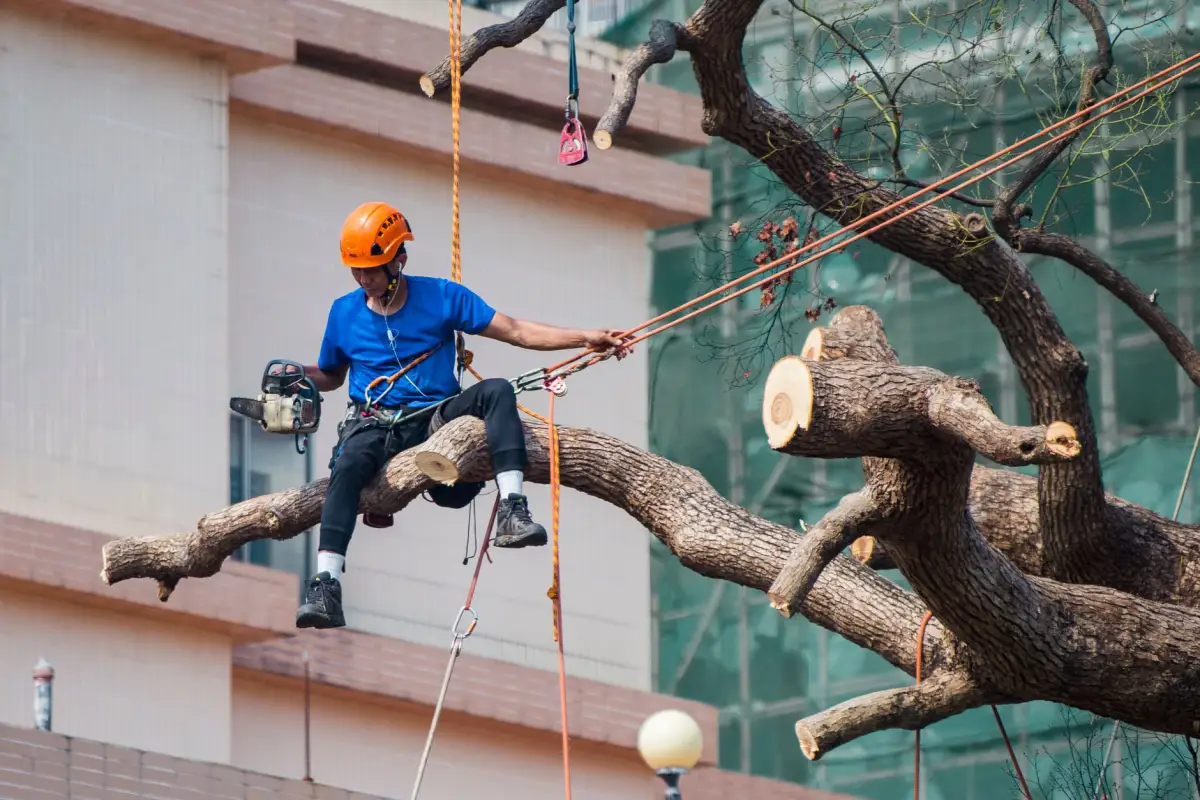
Deadwood cut back, canopies thinned, and branches cleared away from rooflines and power lines — cut to the branch collar, not into it, so the tree heals instead of scarring over.
Kenosha Premier Tree Services is the local resource for tree trimming and pruning in Kenosha, connecting residential and commercial properties with trusted tree care professionals. Pruning done on the tree's schedule beats pruning done only when a branch is finally in the way — deadwood removed before it drops on its own, crowded canopies thinned before disease has a place to spread, and branches cleared away from rooflines and power lines before a storm makes that decision for you.
Bad pruning is worse than no pruning. A cut made into the trunk instead of at the branch collar leaves a wound that never fully closes, and topping a tree to control its height just triggers a burst of weak, fast regrowth that's more likely to break in the next windstorm. Every cut on this crew is made where the tree can actually heal it.
Every Pruning Job Follows the Same Standard
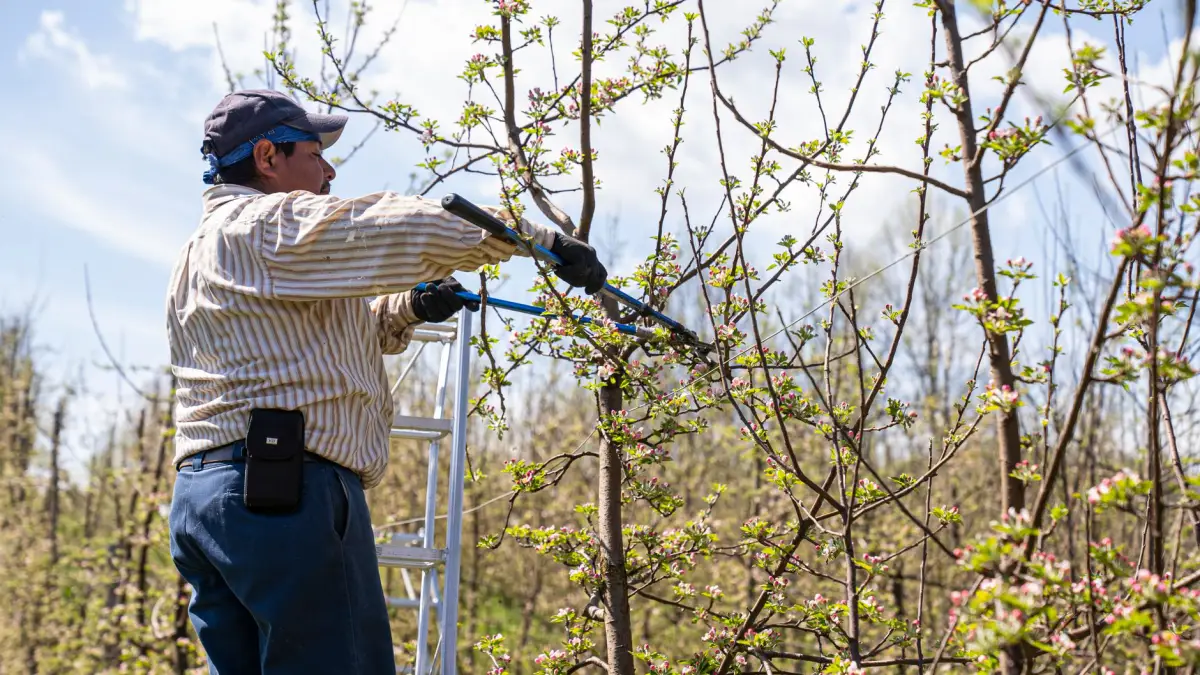
Here’s what’s in the quote every time a crew works on a canopy.
- Deadwood removed throughout the canopy before it drops on its own
- Crowded interior branches thinned to improve airflow and light
- Branches cleared back from rooflines, siding, and power lines
- Every cut made at the branch collar — nothing left as a stub, nothing cut flush into the trunk
- Cut branches chipped and hauled, yard raked and blown clean before the crew leaves
Not Every Prune Is the Same Job
A crew lead picks the right technique for what the tree actually needs, not a one-size cut.
Deadwooding
Dead, dying, or storm-damaged branches removed throughout the canopy — the most common call, and the one that prevents the most damage.
Crown Thinning
Selected interior branches removed to open up airflow and light without changing the tree's overall shape.
Crown Reduction
The canopy's overall size brought down in a controlled way — different from topping, which just hacks branches off at a fixed height and triggers weak regrowth.
Clearance Pruning
Branches cut back from a roofline, fence, driveway, or power line to a safe working distance.
Signs Your Tree Is Due for a Prune
A tree doesn’t have to look unhealthy to need work.
How a Pruning Job Actually Goes
- 1
Call or request a quote
A crew lead walks the tree with you and points out what actually needs cutting, not just what's easiest to reach from the ground. That means checking for deadwood in the upper canopy, branches crossing or rubbing against each other, growth crowding a roofline or power line, and any lean or weight imbalance that's developed since the last time the tree was pruned. Pruning goals differ by tree and by season — deadwooding and structural thinning are usually fine any time of year, while heavier crown work on some species is better timed around dormancy to avoid stressing the tree. That gets factored into the recommendation and, if timing matters, when the work gets scheduled.
- 2
One price, up front
The quote covers the cutting, the cleanup, and the haul-away as one number — nothing added once the crew is on site. Pricing follows the scope agreed on during the walk-through: a light deadwooding pass costs less than a full structural prune that's thinning the canopy and raising the crown away from a roofline. Tree height and the number of trees being worked matter, same as with removal, along with how much of the canopy needs attention — a tree that's had regular maintenance costs less to prune than one that's gone years without a trim and built up a lot of dead and crossing growth in that time.
- 3
Pruning day
Cuts are made at the branch collar — the slightly swollen area where a branch meets the trunk or a larger limb — not flush against the trunk and not leaving a stub, since either mistake slows the tree's ability to seal the wound and invites decay or pests into the cut. Work generally moves from the inside of the canopy out: deadwood and crossing branches come out first, then the crew steps back to check the tree's overall shape before making any larger structural cuts, since it's easier to take more off than to put a branch back. No more than about a quarter of the live canopy comes off in one visit under normal circumstances.
- 4
Cleanup
Branches get run through a chipper on-site rather than left in a pile, and the yard gets raked and blown clean of leaves, twigs, and sawdust before the crew leaves. Cut material gets hauled off unless firewood-sized rounds were requested and left on request. The crew lead does a final look at the tree's new shape from a few angles before packing up, confirming the cuts read as intentional pruning and not a hack job — an easy thing to get wrong from a ladder but obvious from the ground once the crew's gone. Any deadwood or crossing growth that was borderline gets pointed out too, along with a rough sense of when the tree will be due for another pass.
What Does Tree Trimming & Pruning Cost in Kenosha, WI?
- Tree height and how much of the canopy needs work
- Access — equipment reach versus climbing
- How close branches are to a roofline, fence, or power line
- How overdue the tree is for its first real pruning
A tree that's never been properly pruned usually costs more the first time than it will on the next visit — once deadwood and crowding are cleared out, maintenance pruning on a normal cycle is a smaller job every time after.
Bad Pruning Is Worse Than No Pruning
A wrong cut doesn’t just look bad — it shortens the tree’s life.
Cuts at the Branch Collar
Every cut is made where the tree can actually close the wound, not flush into the trunk or left as a stub that invites rot.
No Topping, Ever
Topping a tree to control height just triggers weak, fast regrowth that's more likely to snap in the next storm — the crown gets reduced properly instead.
Fixed Quotes, Decided On-Site
A crew lead walks the tree with you before pricing it — not a guess made from the curb.
Maintenance Costs Less Over Time
A tree that's never been properly pruned costs more the first time — once deadwood and crowding are cleared out, staying on a normal cycle keeps every visit after that smaller.
Yards, Lots, and Everything In Between
Residential
A tree overhanging the roof or gutters is a maintenance problem before it's a safety one — needles and leaves clogging gutters, branches scraping shingles every time the wind picks up. Regular pruning keeps the canopy clear of the house without cutting more than the tree needs.
Commercial
Overhanging branches on a commercial lot are a liability question as much as an aesthetic one — a limb over a parking spot or a walkway is a claim waiting to happen. Canopies get kept clear of foot traffic, signage, and parked cars, with larger properties eligible for a standing maintenance schedule.
When Pruning Isn’t the Right Call
Jobs that aren’t a fit get turned down instead of quoted anyway.
- A tree that needs to come down entirely, not trimmed — see tree removal instead.
- Properties outside Kenosha County & Southeastern Wisconsin — outside the range the professionals we work with can keep response times honest for.
- Anyone wanting a tree topped to control its height — that gets turned down, even though it looks like the faster, cheaper option, because it damages the tree.
Need the whole tree gone instead? See tree removal or browse the full service list.
Frequently Asked Questions
- How often should trees be pruned?
- Most established trees do well on a 2-3 year cycle for maintenance pruning. Young trees benefit from lighter, more frequent shaping; storm-prone or fast-growing species sometimes need a look every year.
- What's the difference between trimming and pruning?
- In practice they're used interchangeably for the same work — cutting back deadwood, overgrowth, and branches that are in the way. The technical distinction some arborists draw is trimming for shape versus pruning for the tree's health, but the cuts and the crew are the same.
- Will pruning hurt my tree?
- Done correctly, no — a cut made at the branch collar is a wound the tree is built to close on its own. Done badly (flush cuts, stubs, topping), pruning can shorten a tree's life, which is exactly what proper technique avoids.
- Can you prune trees near power lines?
- Branches get cleared back to a safe working distance from a line. Anything requiring work directly on or against an energized line goes to the utility company, not a tree crew.
- How much does tree trimming cost in Kenosha?
- It depends on the tree's height, how much of the canopy needs work, and access. It's quoted on-site for free after actually looking at the tree.
Learn More
- Trees Are Good (ISA) — proper pruning guidance from certified arborists.
- UW-Madison Division of Extension — species and care guidance for Wisconsin yards.
- Wisconsin DNR — urban forestry resources.
Ready to Get That Tree Pruned?
Tell us what’s going on and get an immediate on-site quote — no charge for the estimate, and no obligation to book it.
Get My Free Estimate